WHY RARE
A single card
becomes a legend.
One enduring thread through a century of collecting.
We want to own something rare with a story to tell.
THE QUESTION
Why do we
collect?
Price alone cannot explain why a card or a figure stays close to someone's heart. Formats change, but three reasons for collecting endure.
STORY
Story
SCARCITY
Rarity
REVEAL
Anticipation
1880s
It began with a pack of cigarettes
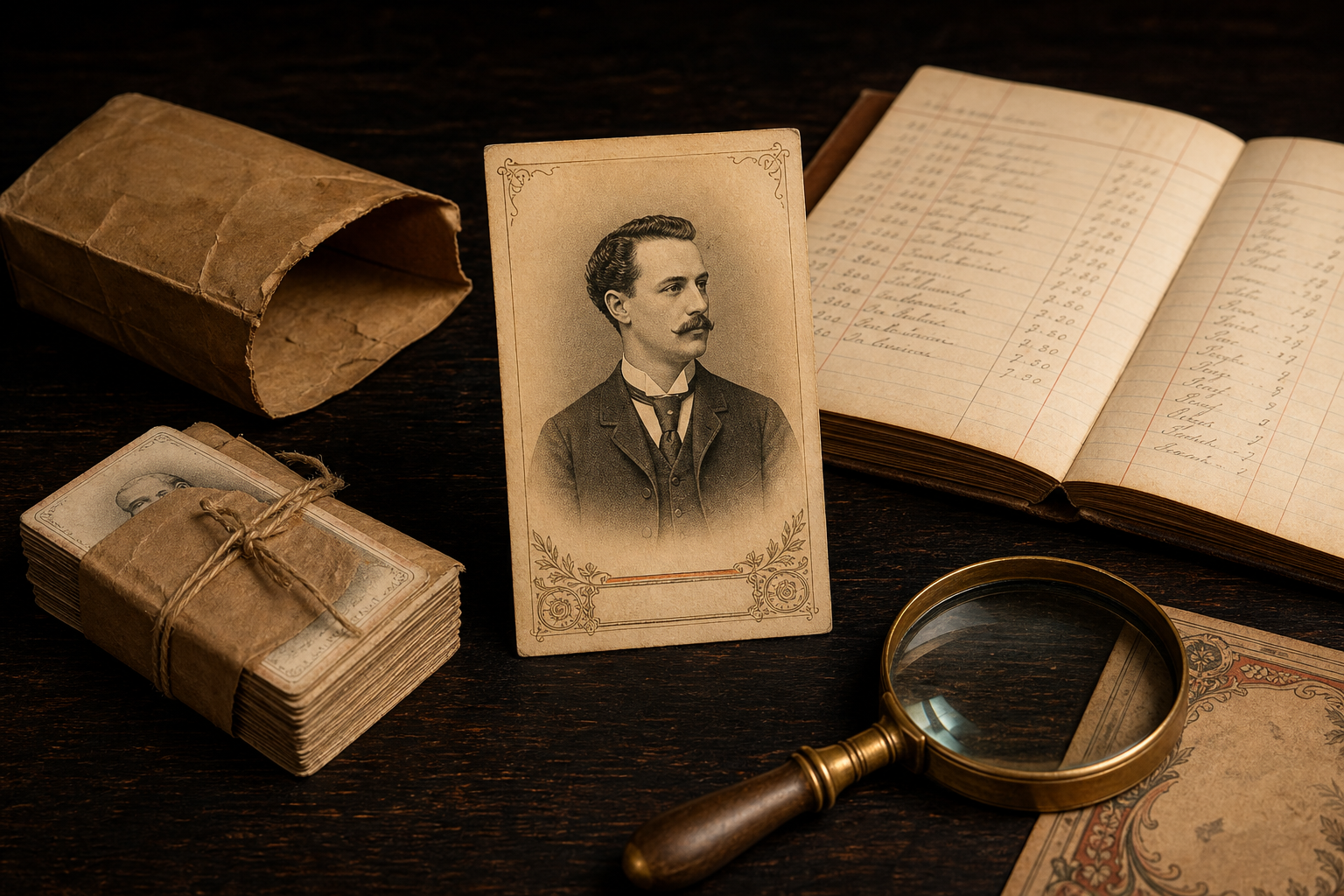
Collectibles began as small inserts inside cigarette packs.
In the 1880s, tobacco companies in the United States and Europe inserted stiff cards to support their paper packs. When baseball players, actors, and other public figures appeared on them, people began collecting the cards themselves.
The 1909 T206 Honus Wagner became an icon of this era through its limited supply and rarity. An ordinary insert had become a collectible with a story.
$7.25M
T206 Honus Wagner sale price
Private sale, August 2022
1950s
Sports cards become an industry
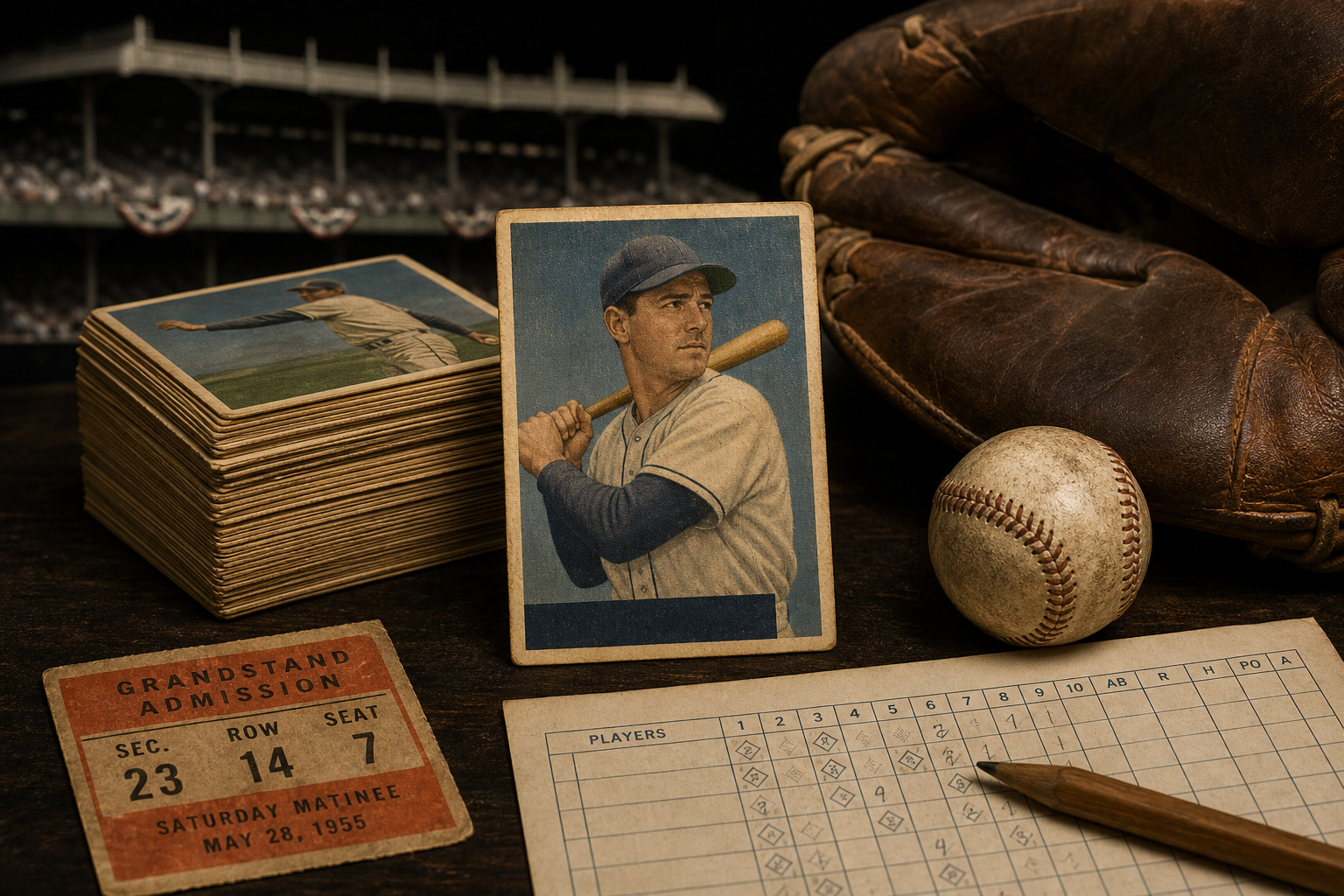
Cards grew beyond promotional extras into a culture of buying and collecting in their own right.
Founded in 1938, Topps entered baseball cards in 1951 and released a landmark set in 1952. Panini connected sticker albums with international sports, taking collecting to a global audience.
An athlete's record, a season's memories, and a card's condition came together in a single object. A 1952 Mickey Mantle card sold for USD 12.6 million at auction in 2022, becoming an emblem of sports collectibles.
$12.6M
1952 Topps Mickey Mantle auction price
Heritage Auctions, 2022
1993
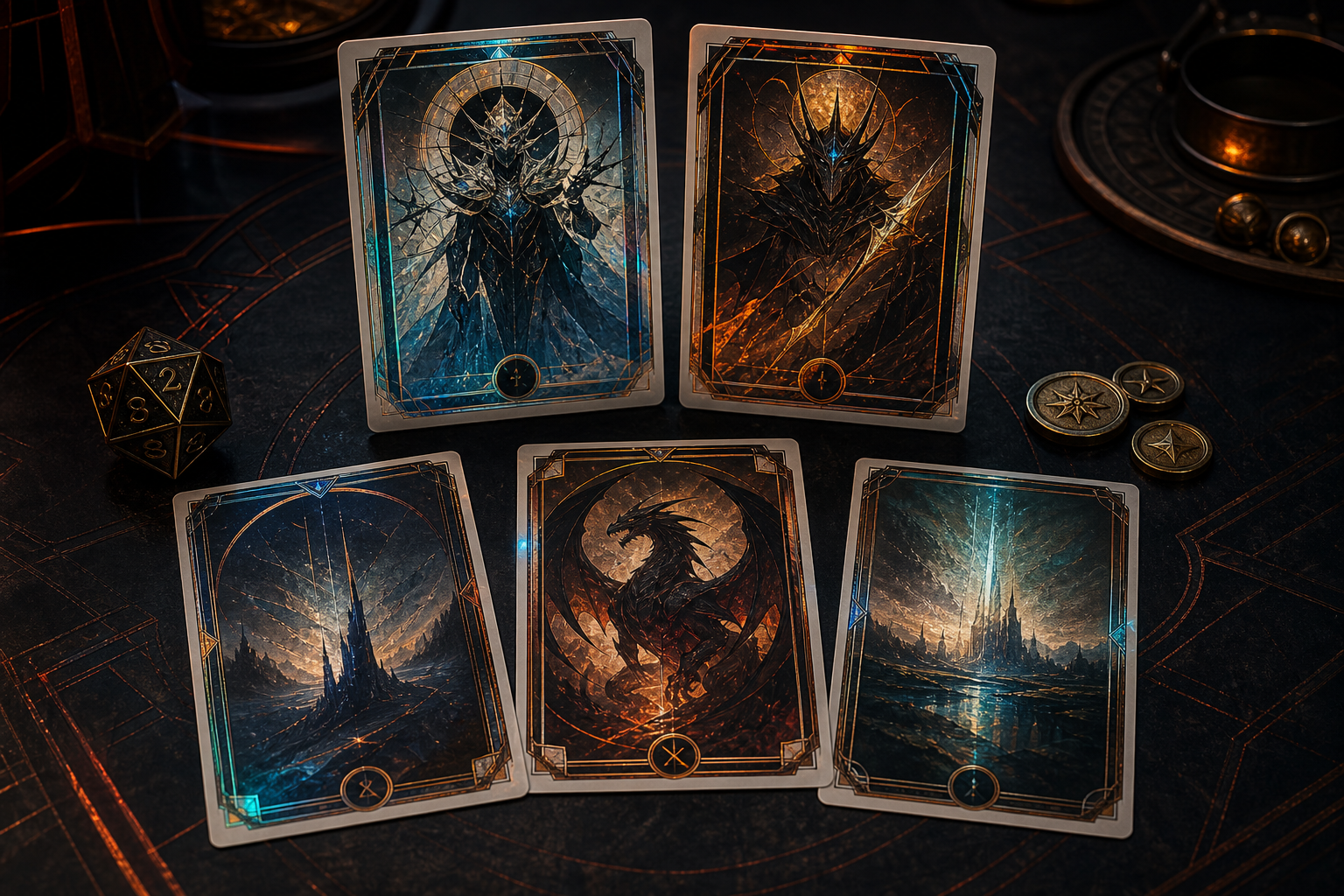
Cards become a game: the birth of TCGs
Adding rules of play to collectible cards created an entire culture.
Richard Garfield's Magic: The Gathering combined collecting and gameplay in 1993. The same card could take on a different role depending on a deck and how it was played.
Pokémon cards launched in Japan in 1996 and brought this culture worldwide. By March 2025, cumulative production exceeded 75 billion cards, distributed in over 90 countries and regions.
75 billion+
Pokémon cards produced
The Pokémon Company figures, March 2025
2000s
Art you can hold: art toys and blind boxes
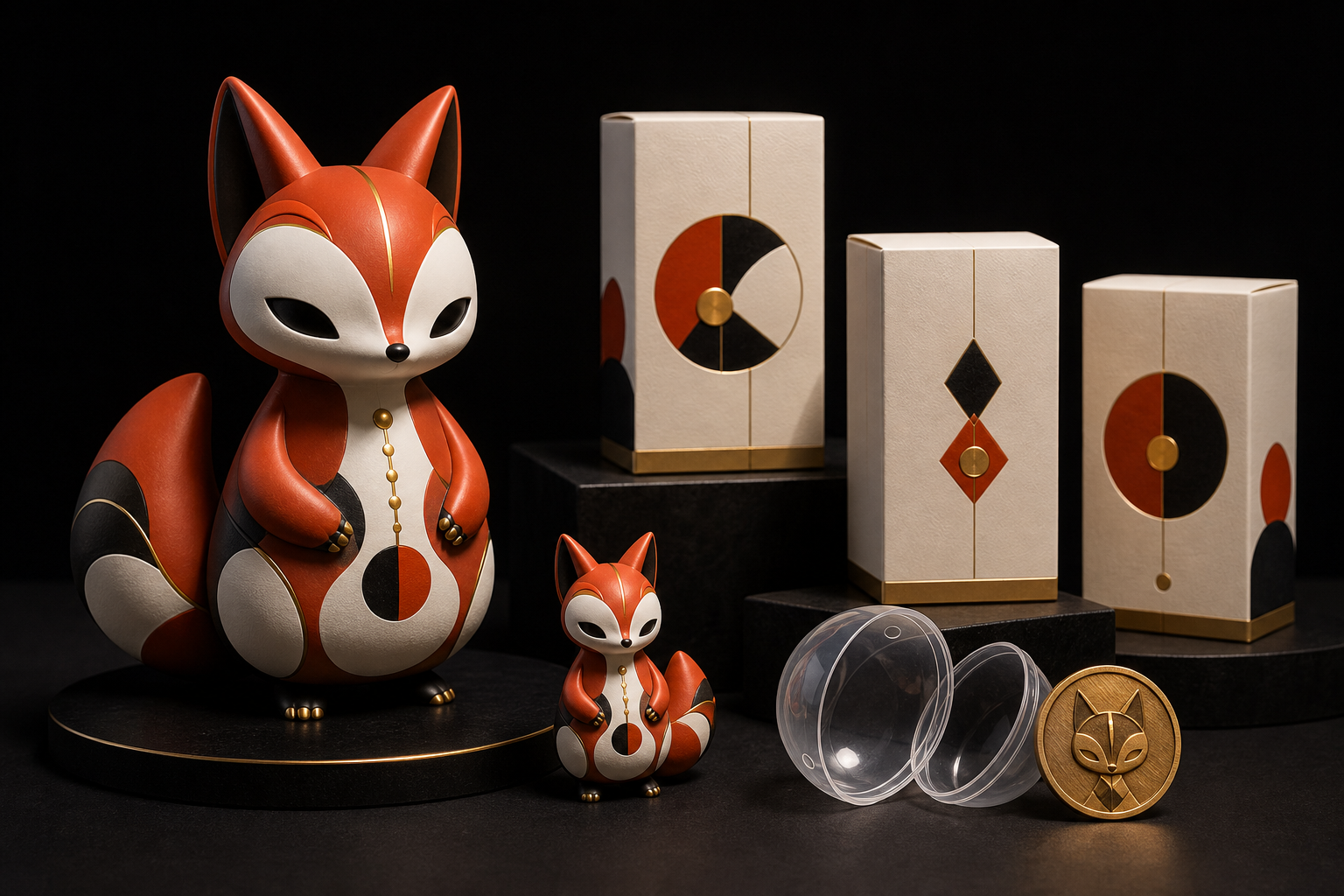
As collecting moved from paper into three dimensions, opening the box became part of the experience.
Japan's capsule toys added the excitement of surprise to collecting in the 1960s. The designer toy movement in late-1990s Hong Kong expanded the boundaries of toys and art.
POP MART, founded in 2010, brought intellectual property, artists, and blind boxes into one business. The brief anticipation before a reveal became central to collecting.
2010
POP MART founded
Bringing IP and blind boxes to wider audiences
1991—NOW
The final step in documenting quality
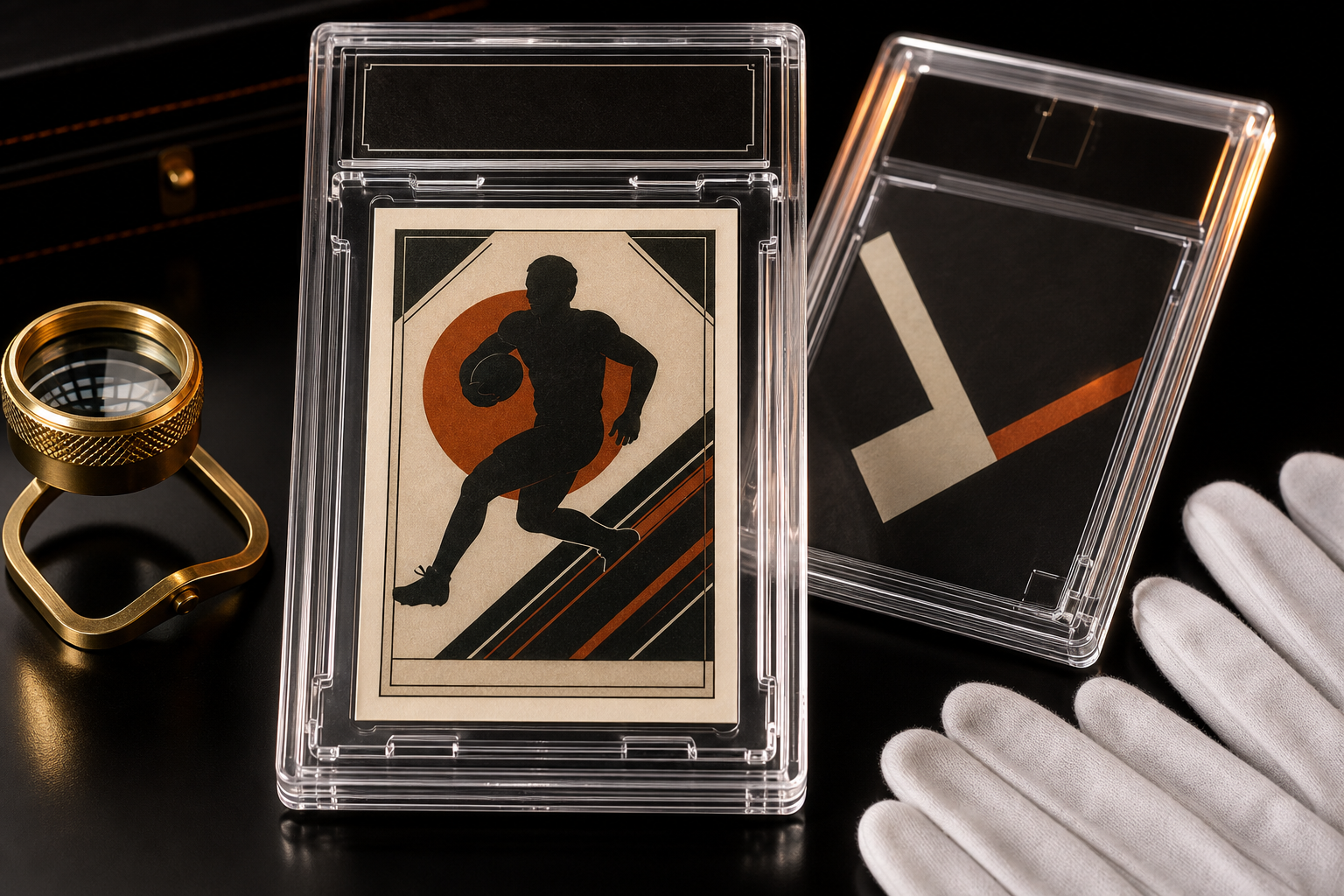
Grading describes authenticity and condition using a shared standard.
Founded in 1991, PSA authenticates cards and grades centering, corners, edges, and surfaces on a scale from 1 to 10. Graded cards are sealed in protective, tamper-evident holders.
A shared language for condition lets collectors compare cards across regions. PSA 10 describes a virtually perfect card.
1—10
PSA card grading scale
10 is Gem Mint, a virtually perfect card
WELCOME TO RARE-ON
And now,
Rare-On.
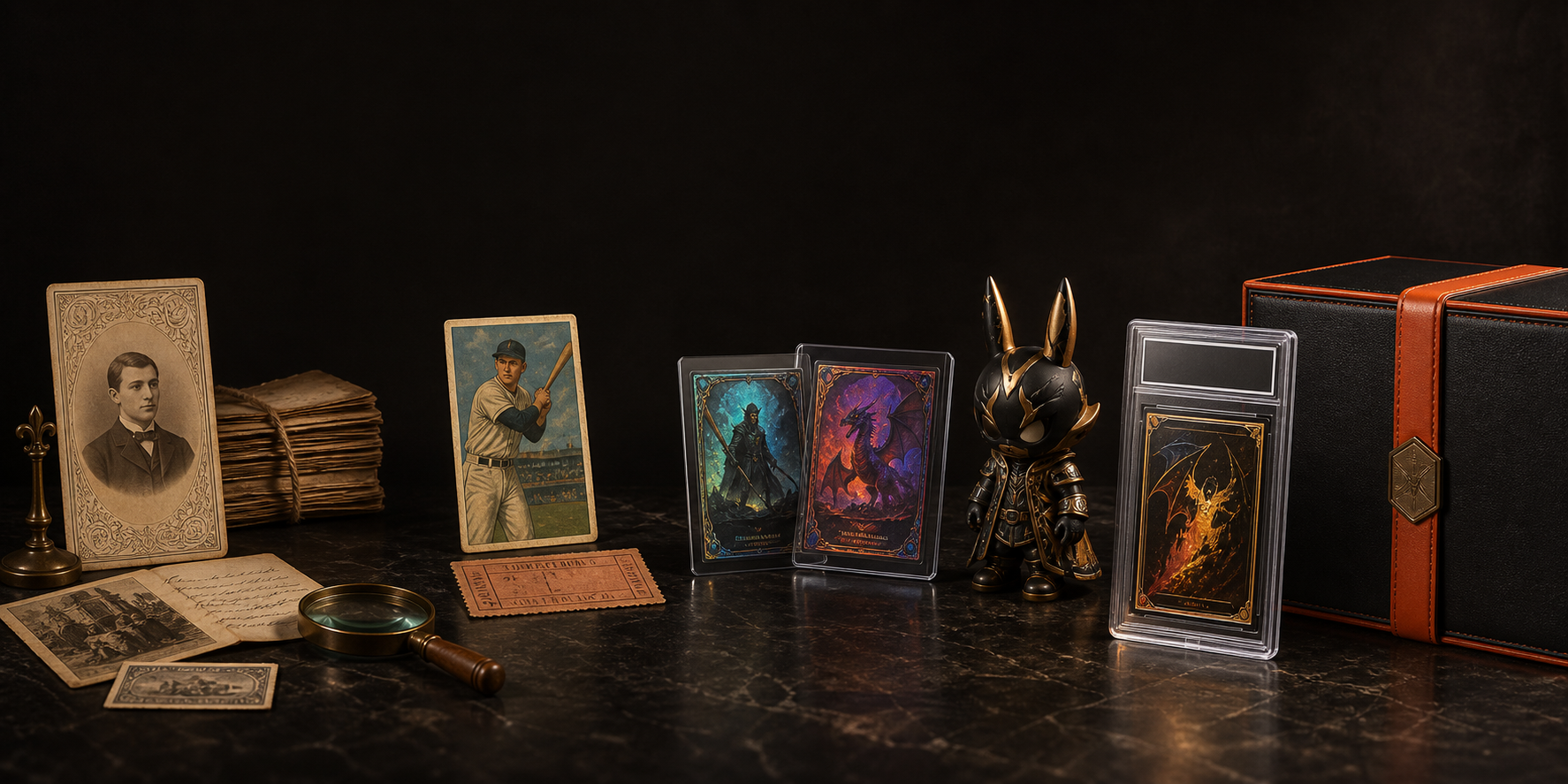
From tobacco cards to sports cards, TCGs, and art toys, the same desires remain: objects with stories, the rarity of a limited few, and the anticipation before opening a box.
Rare-On brings officially licensed cards and physical collectibles into a single drop. From the anticipation of a reveal to something you can hold, we give collecting a new form.
OFFICIAL
Officially licensed IP
LIMITED
Limited supply
COLLECT
Physical ownership